Promises are easy.Delivery isn't.I study the exact point where policy breaks.
Parth Gupta, Berlin, 17 years old, raised in Silicon Valley. Researcher, summit organizer, podcast host, and builder of Canopy. This site is the paper trail.
If you only have three minutes
Parth Gupta is a Berlin-based 17-year-old IB Diploma student (Class of 2027) working at the intersection of AI governance, trade policy, and sustainable development. His research spans an Extended Essay on facial-recognition markets, an SSRN preprint on semiconductor export controls, and a logistic-regression model of trade retaliation. He built and runs Canopy, an AI platform tracking SDG implementation daily. Outside research: policy summits, the US Embassy Youth Advisory Council, three podcasts, and his school newspaper.
A short letter.
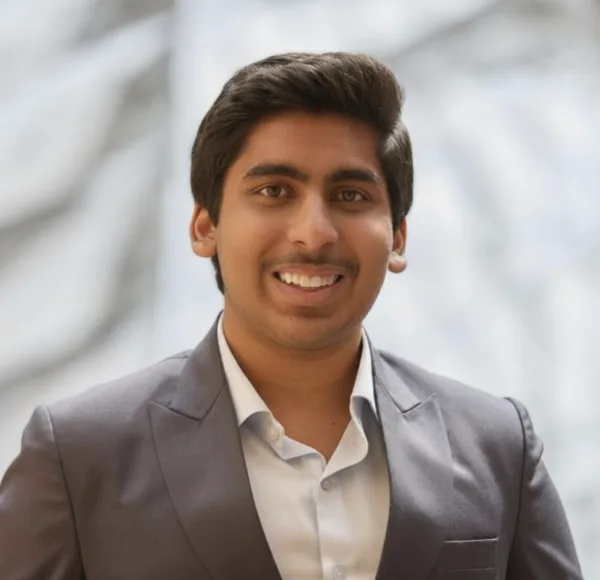
Berlin, 2026
Dear reader,
I grew up in Silicon Valley and moved to Berlin at twelve. The Bay Area taught me what technology believes about its own power; Europe taught me what happens when institutions try to govern that power from the outside. Almost everything I'm curious about lives in that gap.
The official version: I write research on AI and trade policy, organize summits, host three podcasts, edit my school paper, and built a platform that checks whether governments actually keep their promises.
The unofficial version: ten years at a piano, a ukulele I'm still bad at, a badminton habit I picked up playing with my grandmother, and a school of seventy-plus nationalities, which taught me that the most interesting things start as a conversation between very different people.
Cheers,
Parth

The work.
Six bodies of work. One question: why doesn't policy do what it says it will?
Research
The export controls built to slow China's chips sped them up instead.
An Extended Essay on why facial-recognition markets defeat regulation, an SSRN preprint on why US chip export controls made China more self-sufficient, and a logistic-regression model of trade retaliation.
Practice
A stage with Olaf Scholz, a capsized kayak, a Model UN gavel.
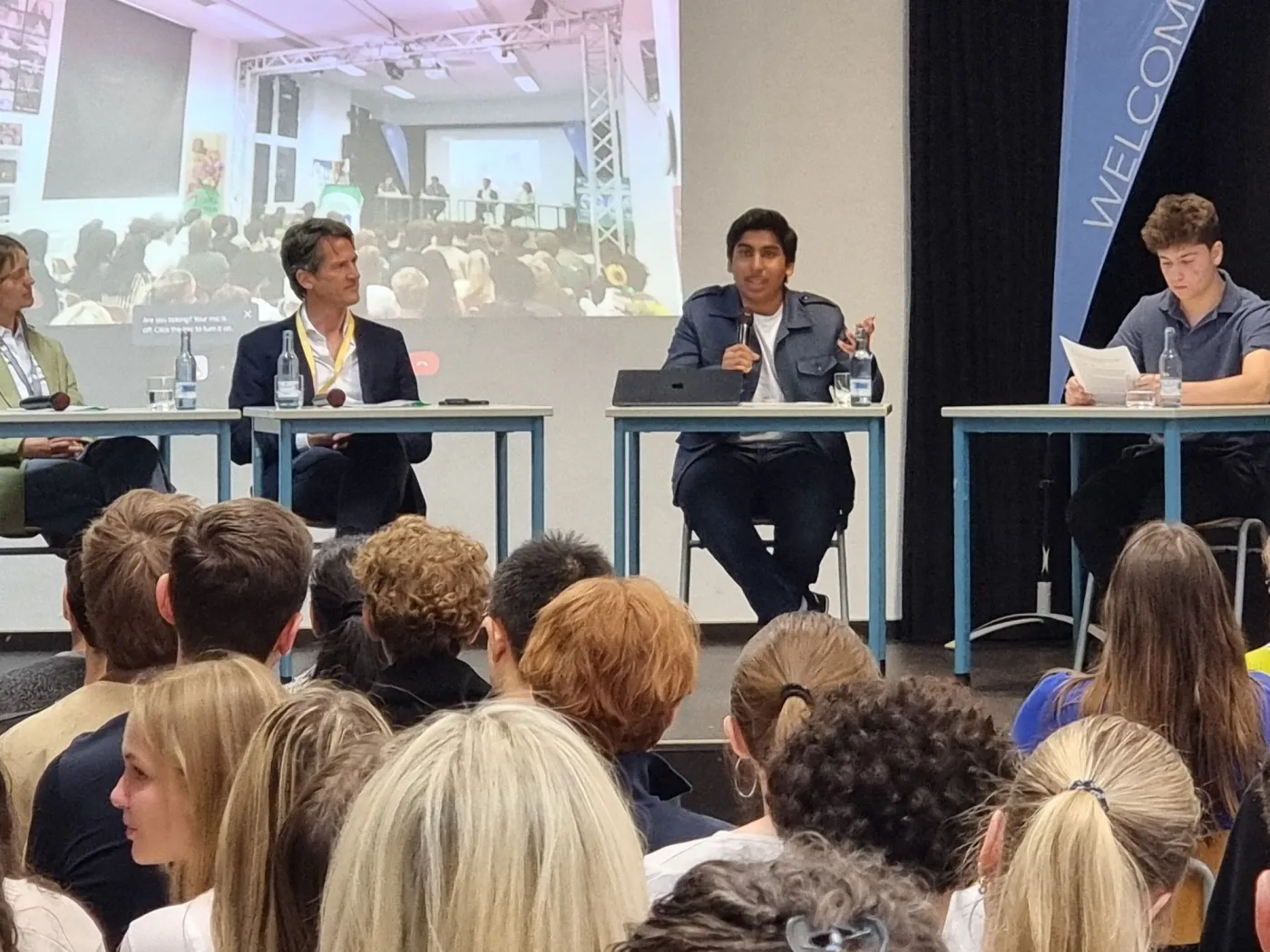
A Role Model Talk with Olaf Scholz, a G20 think-tank summit from the staff side, a 100-person climate summit I organized and co-moderated, European Champions at the World Economics Cup, the US Embassy's youth council in Berlin, Model UN, and a Duke of Edinburgh expedition.
Media
Three podcasts, a newspaper, and a blog.
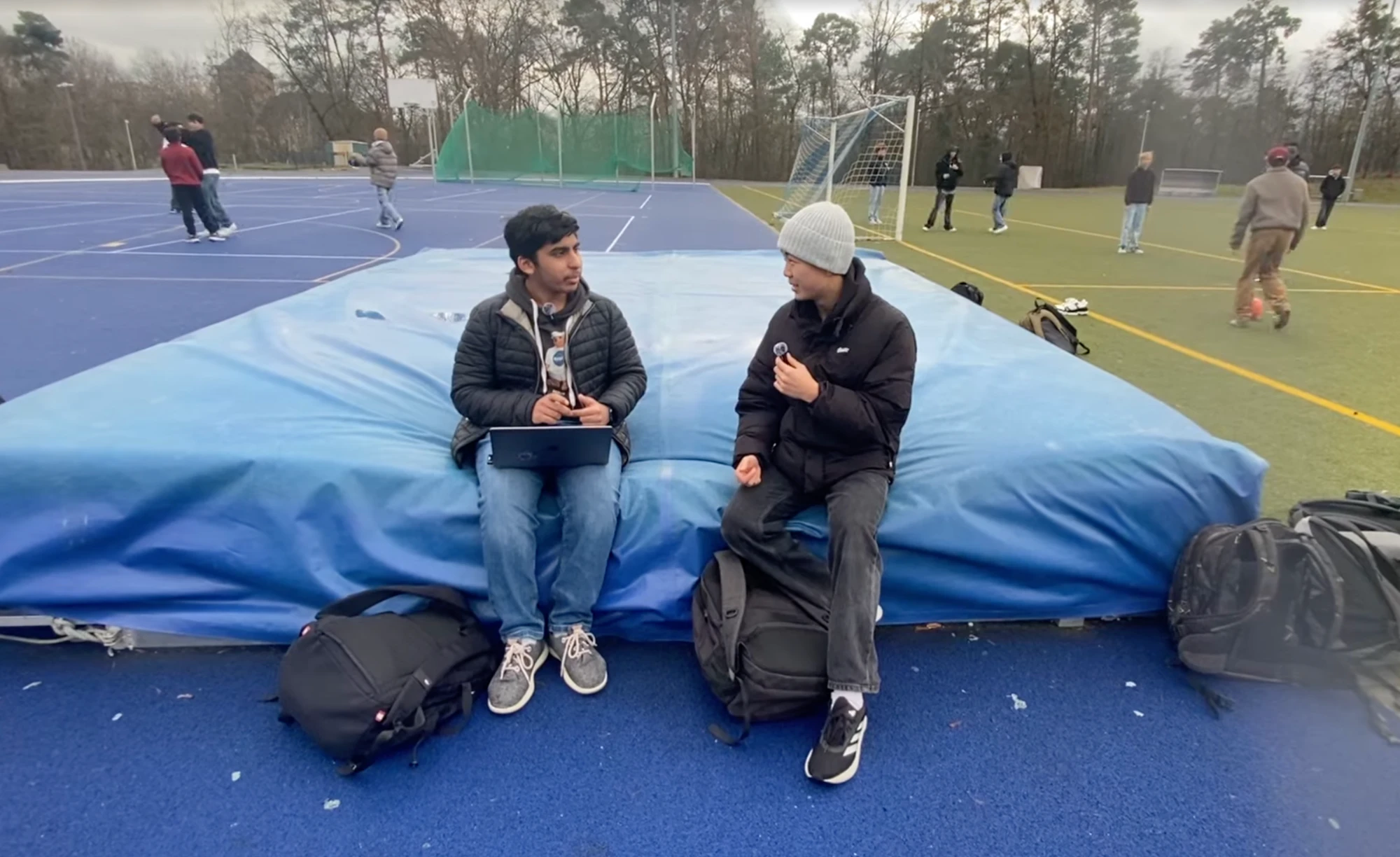
Three podcasts, forty-plus episodes: young people doing uncommon things, the economics underneath the news, and a live round-table on air, plus Editor-in-Chief of The Paw Print and essays on Medium.

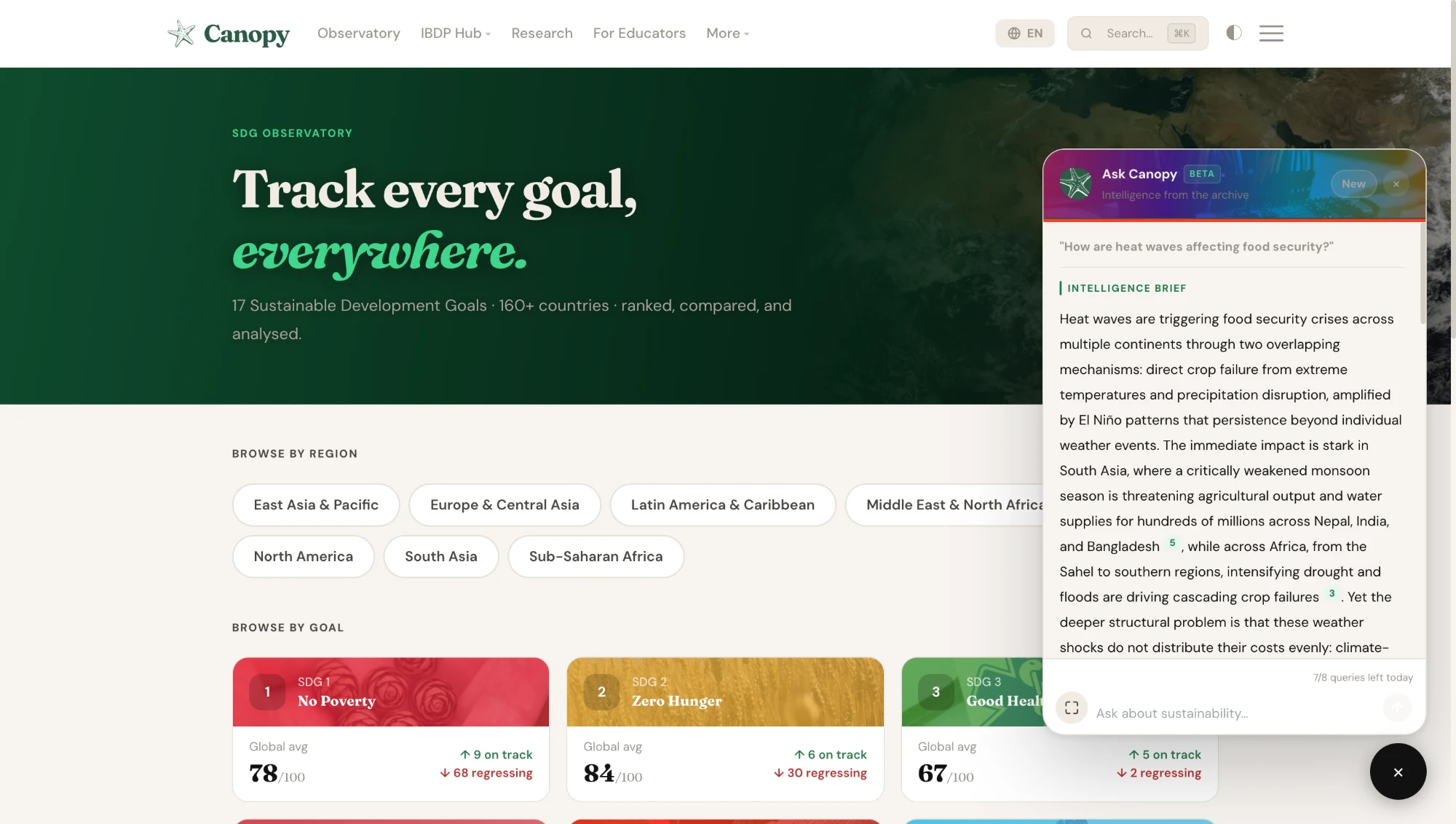
Canopyupdates itself daily
It rewrites itself at 5am UTC.
Every morning, six new IB-mapped stories. Every quarter, fresh SDG scores for all 172 countries. The only exhibit that changed since you opened this page.
Essays
One essay argues foreign aid is a colonial debt renamed a gift.
Six competition essays: four John Locke Institute submissions, a regional-winning HCGEC argument on mandatory voting, and a nationally-placed USA Economics Olympiad essay on the price of hyper-specialization.

Now
What's actually happening this month.
Current work, upcoming commitments, and the things that keep me grounded when the deadlines stack up.

Open questions.
Things my own work raised and didn't settle. If you can answer one of these, the contact form isn't decorative.
Can you regulate a market when the buyer can't see the product?
Left over from the Extended Essay, the information asymmetry never resolved.
If export controls make their target self-sufficient, what exactly did they control?
Left over from the preprint; 90% localization says the policy worked in reverse.
Why do climate pledges survive contact with everything except budgets?
Left over from the climate summit: four experts, no consensus, one good map of the dispute.
Does tracking 172 countries' SDG progress change what governments do, or just record what they don't?
The question Canopy can't answer about itself.
If any of this sounds like a conversation you'd want to have, I'd love to have it.
Say hello